
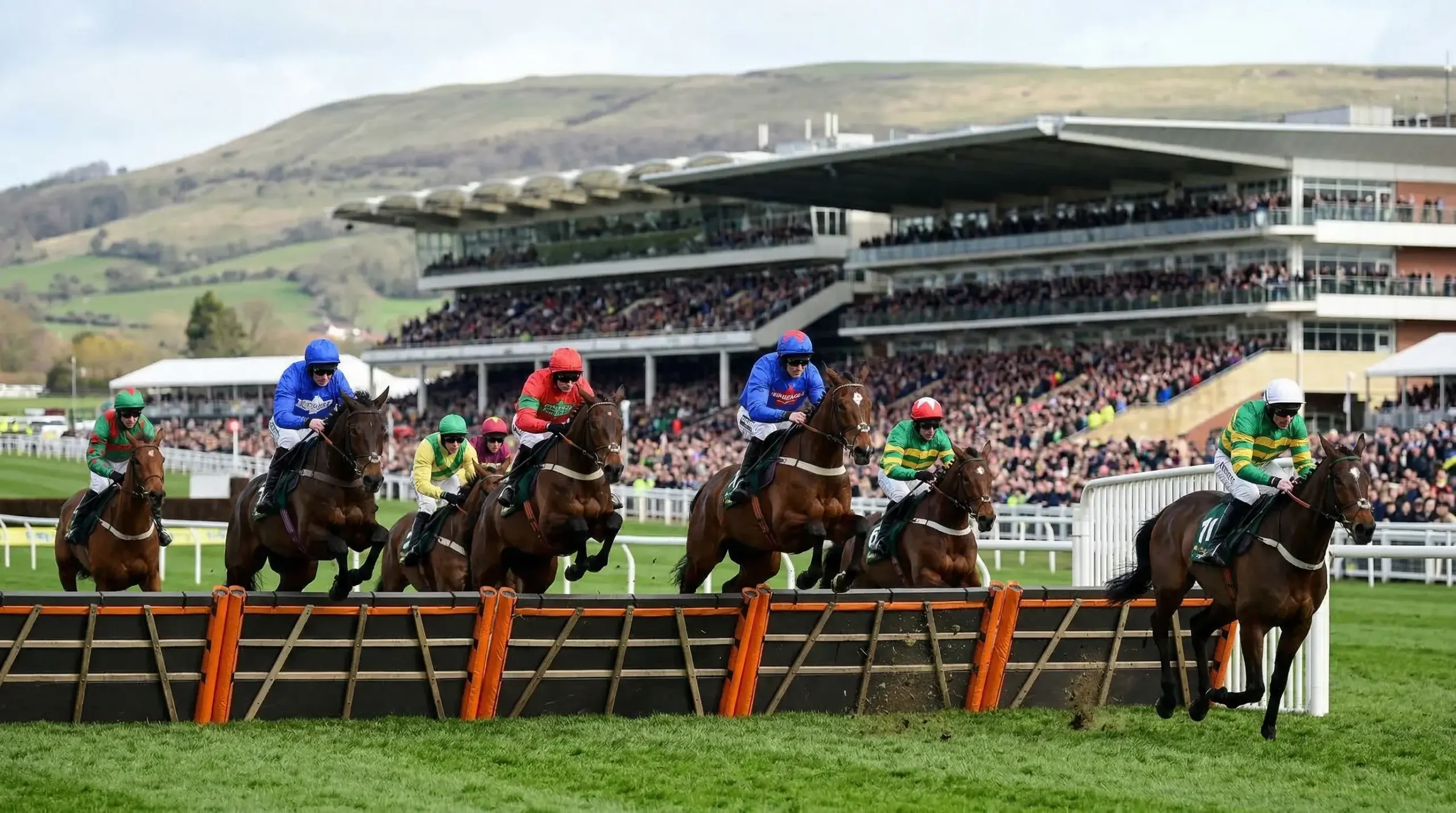
The Cheltenham Festival packs 28 races into four days in March, and every one of them carries a different proposition for box trifecta Cheltenham tips. The Champion Hurdle might attract six runners. The County Hurdle might attract 24. Treating both races identically — or, worse, boxing every race on the card — is the fastest way to burn through a festival budget. The Festival demands a plan.
Total Tote pool turnover across the 2024 Cheltenham Festival exceeded £30 million, a record figure that reflects the scale of betting activity at the meeting. For box bettors, that liquidity means Exacta and Trifecta pools on Cheltenham’s handicaps are among the deepest of the year, producing dividends that more closely reflect the true difficulty of each result. But only if you target the right races. Cheltenham is roughly half championship races with small fields and half handicaps with large ones. The box bet opportunity sits almost entirely in the second category.
Championship Races vs Handicaps: Where Your Box Bet Money Should Go
Cheltenham’s programme divides cleanly into two categories. The championship races — Champion Hurdle, Queen Mother Champion Chase, Stayers’ Hurdle, Gold Cup, and their supporting grade-one features — attract small, elite fields. Six to twelve runners, all near the top of the market, with the favourite winning roughly 40 percent of the time. These races produce modest forecast dividends because the fields are small and the market is concentrated around a handful of fancied runners. A box forecast on three horses in a seven-runner Champion Hurdle is six permutations for a dividend that might be £15 to £30. The maths doesn’t excite.
The handicaps are a different universe. The Pertemps Final, the County Hurdle, the Martin Pipe, the Grand Annual, the Coral Cup — these races regularly draw fields of 16 to 24 runners. Tom Segal, Racing Post’s chief tipster known as Pricewise, has observed that “the most profitable box bets come from handicap hurdles with 12-16 runners where form is reliable but the market struggles to separate the top five or six. That’s where your edge is.” Cheltenham’s handicap hurdles are the archetype of that description. The runners are tightly handicapped, the form is strong enough to narrow the field, and the sheer number of realistic contenders means straight forecasts and tricasts are fiendishly difficult to land — which is exactly what inflates the dividend.
A four-horse box tricast on a 20-runner County Hurdle costs £24 at £1 per line. The CT dividend for that race, depending on which horses finish in the first three, could range from £800 to £5,000 or beyond. The risk-reward ratio in these races is what makes Cheltenham the single best meeting of the year for box bet punters — provided you concentrate your fire on the handicaps and leave the championship races to the win-bet merchants.
The novice handicaps — races like the Boodles Handicap Hurdle — also merit attention. These races attract large fields of unexposed horses, which increases unpredictability and pushes tricast dividends higher. The form is harder to read, which is a disadvantage for selection accuracy but an advantage for dividend size. A balanced Cheltenham box bet plan targets two or three handicaps per day, accepting that the hit rate will be low but the individual payouts, when they come, will be substantial.
Tote Pool Depth at Cheltenham: What It Means for Your Dividends
Cheltenham’s Tote pools are the deepest in UK racing outside Royal Ascot. Exacta pool sizes on feature handicaps during the 2024 Festival typically ranged from £20,000 to £80,000, with Trifecta pools on the larger handicaps reaching £10,000 to £25,000. These are substantial pools by any standard, and they produce two benefits for box bettors.
First, deep pools mean stable dividends. In a thin pool — £2,000 on a Tuesday at Plumpton — a handful of large bets can distort the dividend, making it either surprisingly generous or disappointingly small depending on whether the big money was on the winning combination. In a £50,000 Cheltenham Exacta pool, no single bettor has that kind of influence. The dividend reflects the genuine spread of opinion across thousands of tickets, which makes it a more reliable indicator of result difficulty.
Second, deep pools with unpopular results produce disproportionately large dividends. If only a small number of punters backed the winning combination in a £50,000 pool, the payout per winning ticket is enormous. Cheltenham’s handicaps, where the fields are large and the results frequently confound the market, create exactly these conditions. The Tote takeout — typically 20 to 25 percent — is absorbed by the volume, and the net dividend for winners can exceed the CSF by a meaningful margin on surprise results.
The tactical implication: for Cheltenham’s major handicaps, place your box bet through the Tote rather than with a fixed-odds bookmaker. The pool depth on these races is high enough that the Tote’s inherent advantages — larger dividends on unconsidered results, guaranteed pool minimums on some races — outweigh the CSF’s algorithmic consistency. For the smaller races on the card, where pools are thinner, the CSF may be the better settlement option.
A Practical Four-Day Budget Structure
Cheltenham’s four days — Champion Day, Ladies Day, St Patrick’s Thursday, and Gold Cup Day — each contain seven races. Of those seven, typically two to three are handicaps with fields of 14 or more runners. The remaining four or five are championship races or small-field novice events where box betting offers limited value.
A sensible budget allocation for a box bettor targeting Cheltenham might look like this. Set a total festival budget — say £80 for the four days, or £20 per day. Within each day, identify the two or three target handicaps. Allocate your daily budget across those races, leaving a small reserve for an ad-hoc opportunity if a race you hadn’t targeted suddenly attracts a large field or develops an interesting market pattern.
For each target race, a four-horse box tricast at 20p per line costs £4.80. A four-horse box forecast at 20p costs £2.40. Running both on the same race costs £7.20, covering both the top-two and top-three outcomes. At £20 per day, you can comfortably target two races with both bet types and still have budget remaining. The total festival outlay stays under £80, and you’re covering 8 to 12 handicaps across the meeting — each selected for field size, competitive depth, and Tote pool liquidity.
Day selection also matters. Champion Day on Tuesday traditionally features the Supreme Novices’ Hurdle (large field, but a novice race with volatile form) and potentially a handicap or two worth targeting. Gold Cup Day on Friday tends to produce the most box-friendly card, with the County Hurdle and Grand Annual often featuring among the largest and most competitive fields of the meeting. Weight your budget accordingly — a little more on Friday, a little less on Tuesday — and stay flexible if a race you hadn’t targeted suddenly attracts an unexpectedly large field.
This framework won’t produce a winner every day. It might not produce a winner at all across the four days. But if one of those box tricasts connects on a 20-runner County Hurdle with a CT dividend of £2,000, the 20p unit returns £200 — more than covering the entire festival budget with substantial profit. The Festival rewards patience and planning. Give it both.
Box Bets at the Cheltenham Festival — More on this topic at box bet horse racing.
See also Grand National Box Bet.
