
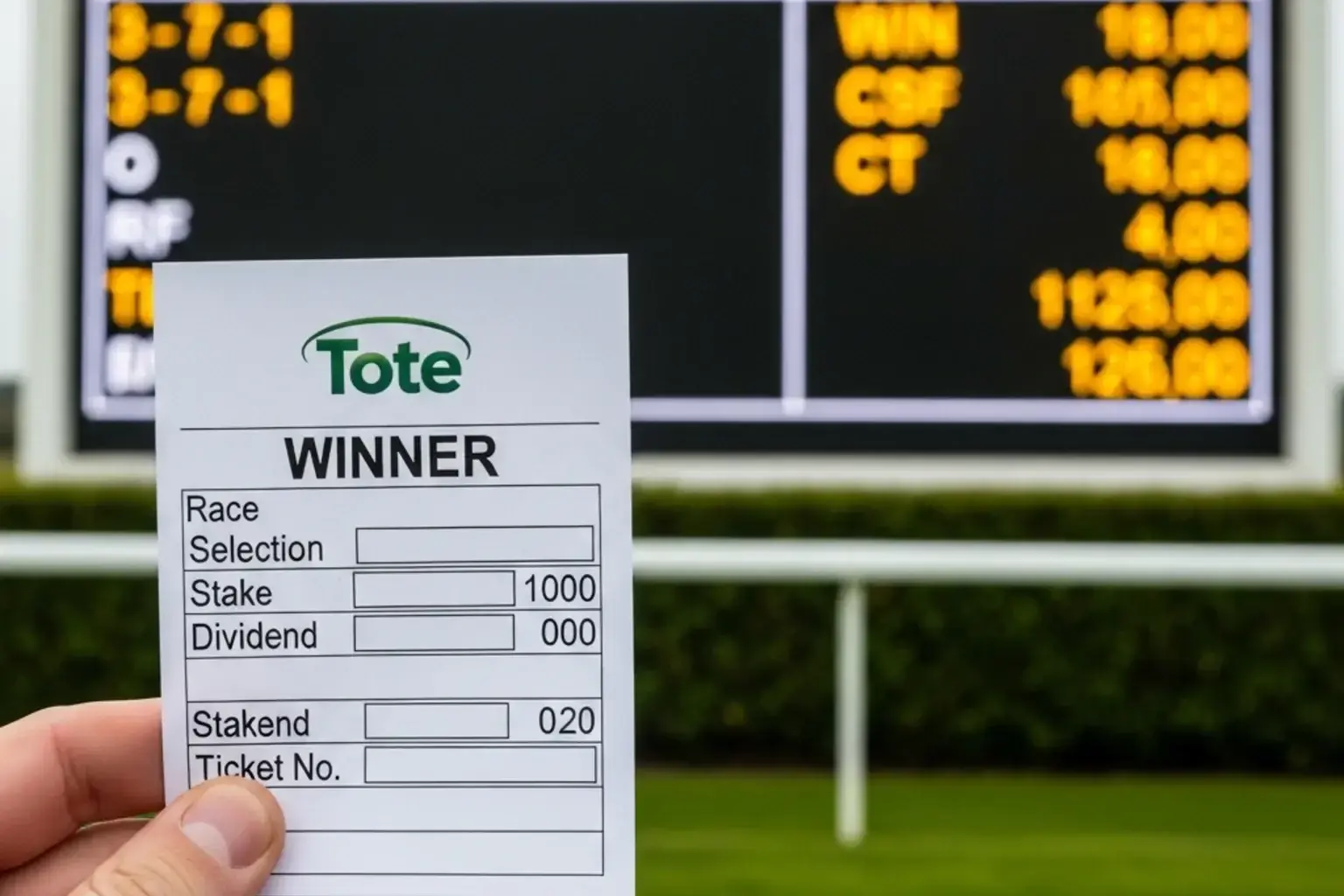
Formulas tell you what a box bet costs. Only real dividends from real races tell you what it pays. The gap between those two numbers is the entire point of box betting — and it varies wildly depending on the race type, the field size, and whether the first two or three finishers were favourites or outsiders.
What follows is a collection of box bet payout examples drawn from UK racing — Computer Straight Forecast dividends and Computer Tricast dividends from everyday handicaps, festival features, and big-field Saturday cards. These are not hypothetical projections. They are the kinds of numbers that appear in results columns on Racing Post and on Tote dividend displays at British racecourses. The purpose is simple: to give you a realistic picture of what combination forecasts and tricasts return, so that when you calculate the cost of your next box bet, you have the other half of the equation.
Forecast Dividends Across UK Race Types: What CSF Actually Pays
CSF dividends on UK horse racing range from as low as £5 or £6 in a two-horse match race to well over £250 in a wide-open handicap. The main variables are field size, the starting prices of the first two finishers, and how competitive the race was. Across the spectrum, these representative ranges hold consistent year after year.
Small-Field Non-Handicaps: 4 to 8 Runners
A novice hurdle at Exeter on a Wednesday afternoon, six runners. The favourite wins at 6/4, the second favourite finishes second at 3/1. The CSF in a race like this typically pays somewhere between £8 and £20 to a £1 stake. A three-horse box forecast on this race costs £6. If your box lands, you’re looking at a profit of perhaps £2 to £14. The margins are slim because the result was predictable and the SPs were short. This is the low-yield end of forecast betting, and it’s where box bets struggle to justify their permutation cost.
Mid-Sized Handicaps: 10 to 14 Runners
A Class 3 handicap hurdle at Haydock, 12 runners. The winner goes off at 8/1, the second at 5/1. The CSF in this scenario typically sits in the £40 to £90 range. A four-horse box forecast costs £12. If the CSF pays £65, the profit is £53 from a £12 outlay — a return of roughly five to one on total cost. These are the races where combination forecasts start to make arithmetic sense. The fields are large enough to generate meaningful dividends, the form is readable enough to narrow the field to three or four contenders, and the cost of a box forecast is proportionate to the potential return.
Large-Field Handicaps: 16+ Runners
A 16-runner flat handicap at Newmarket on a Saturday. The winner goes off at 14/1, the second at 10/1. CSF dividends in these races frequently exceed £100 and can reach £250 or beyond. A four-horse box forecast at £1 per line costs £12. A five-horse box costs £20. Against a CSF of £180, even the five-horse box returns a profit of £160 — an eight-to-one return on total outlay.
These large-field handicaps are where the economics of box forecasts shift decisively in the punter’s favour. The CSF dividend reflects the difficulty of predicting the exact first-and-second finish in a competitive field, and that difficulty is precisely what makes the “any order” coverage of a box bet so valuable. You don’t need to rank the horses. You need to identify the group, and the dividend rewards the uncertainty that kept you from committing to a straight forecast.
Festival Feature Handicaps
At Cheltenham, Royal Ascot, and the Grand National meeting, handicap fields can reach 20 to 40 runners. The CSF dividends in these races sometimes enter genuinely startling territory. A 20-runner handicap where two 25/1 shots fill the places might produce a CSF of £400 or more. The 2024 Grand National, with its field of 40 runners, generated a CSF that reflected the near-impossibility of calling the exact first-two finish in a four-mile chase with that many participants. These are the headline payouts, and while they don’t happen every day, they happen often enough across a festival to shape the annual profit-and-loss of a disciplined box forecast bettor.
Tricast Dividends: Where the Big Numbers Live
Computer Tricast dividends operate in a different register entirely. Adding a third finishing position to the calculation multiplies the potential payout by a factor that reflects the cubic growth in difficulty. Where a forecast asks you to identify two horses, a tricast requires three — and the dividend scales accordingly.
Typical Handicap Tricasts
In a 12-runner handicap where the first three home are mid-range in the market — say 6/1, 8/1, and 10/1 — the Computer Tricast typically returns between £500 and £1,500 to a £1 stake. A four-horse box tricast on this race costs £24. Even at the lower end of that dividend range, the return is more than twenty times the outlay. This is the bracket where most successful box tricast bettors operate: mid-sized handicaps where form can narrow the field to a manageable group, and the CT dividend is large enough to absorb the cost of the permutations comfortably.
Large-Field Handicap Tricasts
Step up to 16 or more runners, and tricast dividends routinely reach four figures. A handicap where three outsiders fill the first three places — none shorter than 12/1 — can produce CT payouts of £3,000 to £5,000. The largest recorded Tote Exacta payouts on UK racecourses have exceeded £5,000 from a £2 stake, and CT dividends in big-field handicaps can surpass even those figures from a £1 investment. These are not daily occurrences, but they are seasonal regulars. A punter who systematically boxes four or five horses in Saturday feature handicaps throughout the flat season will encounter these payouts periodically.
Festival Tricasts
Cheltenham’s handicap hurdles and Ascot’s heritage handicaps sit at the top of the dividend spectrum. The County Hurdle at Cheltenham, with its typical field of 20 or more runners, has produced CT dividends exceeding £8,000 in recent years. The Wokingham Stakes at Royal Ascot, a six-furlong sprint handicap with fields regularly topping 25 runners, generates tricast payouts that make the cost of a five-horse box — £60 at £1 per line — look like a rounding error when they land.
The memorable fact about tricast dividends is this: a single £1 Computer Tricast in a large-field UK handicap has, on multiple documented occasions, returned more than £10,000. That doesn’t mean every box tricast will produce life-changing returns. It means the ceiling is high enough to make the floor — which is zero — worth accepting, provided the per-bet outlay is controlled.
Putting Payouts in Context: What Box Bet Returns Really Look Like Over Time
Individual payout examples are exciting but misleading if viewed in isolation. A £3,000 tricast return from a £24 box bet makes for a compelling anecdote. What it doesn’t tell you is how many £24 box bets preceded it and returned nothing.
The reality of box betting over time is a pattern of frequent small losses punctuated by occasional large wins. A four-horse box forecast on mid-sized handicaps might hit at a rate of roughly one in eight to one in twelve, depending on the quality of your selections and the competitiveness of the fields. At a £12 outlay per bet, ten losing boxes cost £120. One winning box at a CSF of £85 recovers £85 of that. You need the wins to be large enough and frequent enough to overcome the cumulative cost of the losses — and that’s a tighter equation than the headline dividends suggest.
For box tricasts, the hit rate is lower — perhaps one in 15 to one in 30 for a four-horse box in competitive handicaps — but the winning dividends are proportionally larger. The mathematics is the same: total winnings over a sample minus total outlay over the same sample equals profit or loss. The punters who make box betting work over the long term are the ones who keep their outlay disciplined, their selection process rigorous, and their expectations anchored to the realistic dividend ranges laid out above rather than the occasional outlier.
Real dividends, real races. That’s the foundation. Everything else — strategy, selection, staking — builds on knowing what these bets actually pay in the kinds of races you’ll actually bet on.
Box Bet Payout Examples — More on this topic at box bet horse racing.
See also Box Bets in Flat Racing.
